

The History of Conestoga House & Gardens

Conestoga House & Gardens is one of Lancaster’s most treasured historic properties, with roots dating back to the early 1700s. Originally serving as a tavern along the Conestoga wagon trade route between Philadelphia and Pittsburgh, the property later became an inn in the 1840s, welcoming travelers and traders passing through the region.
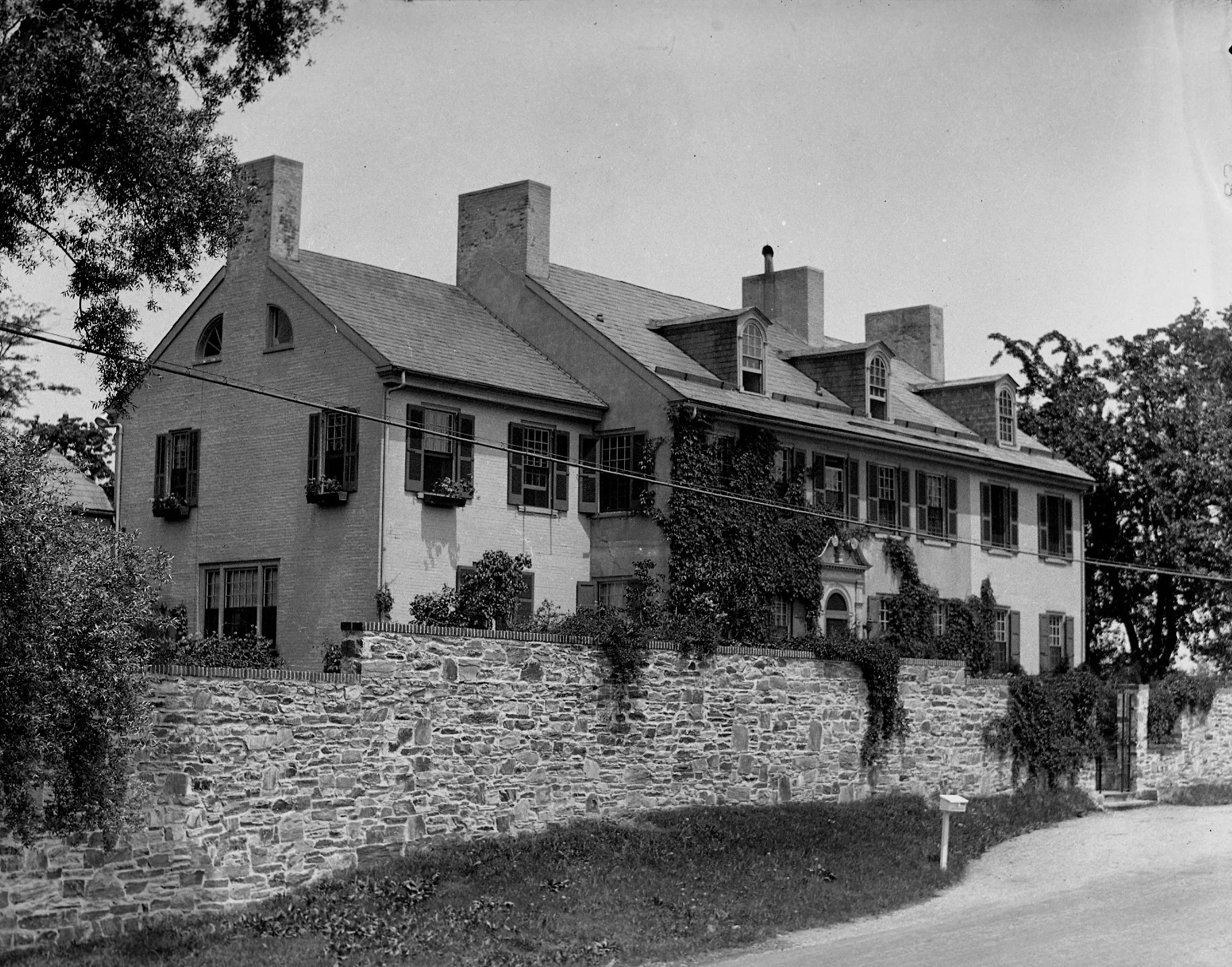
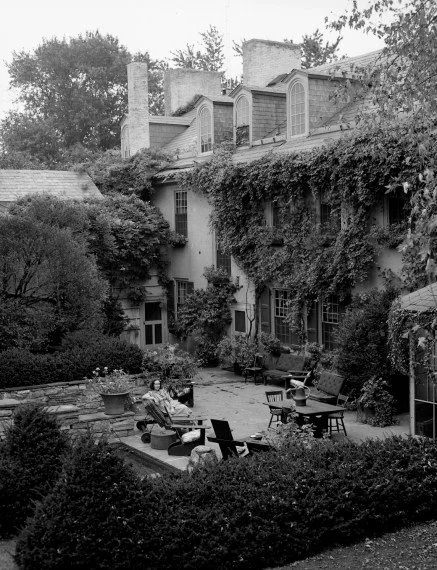
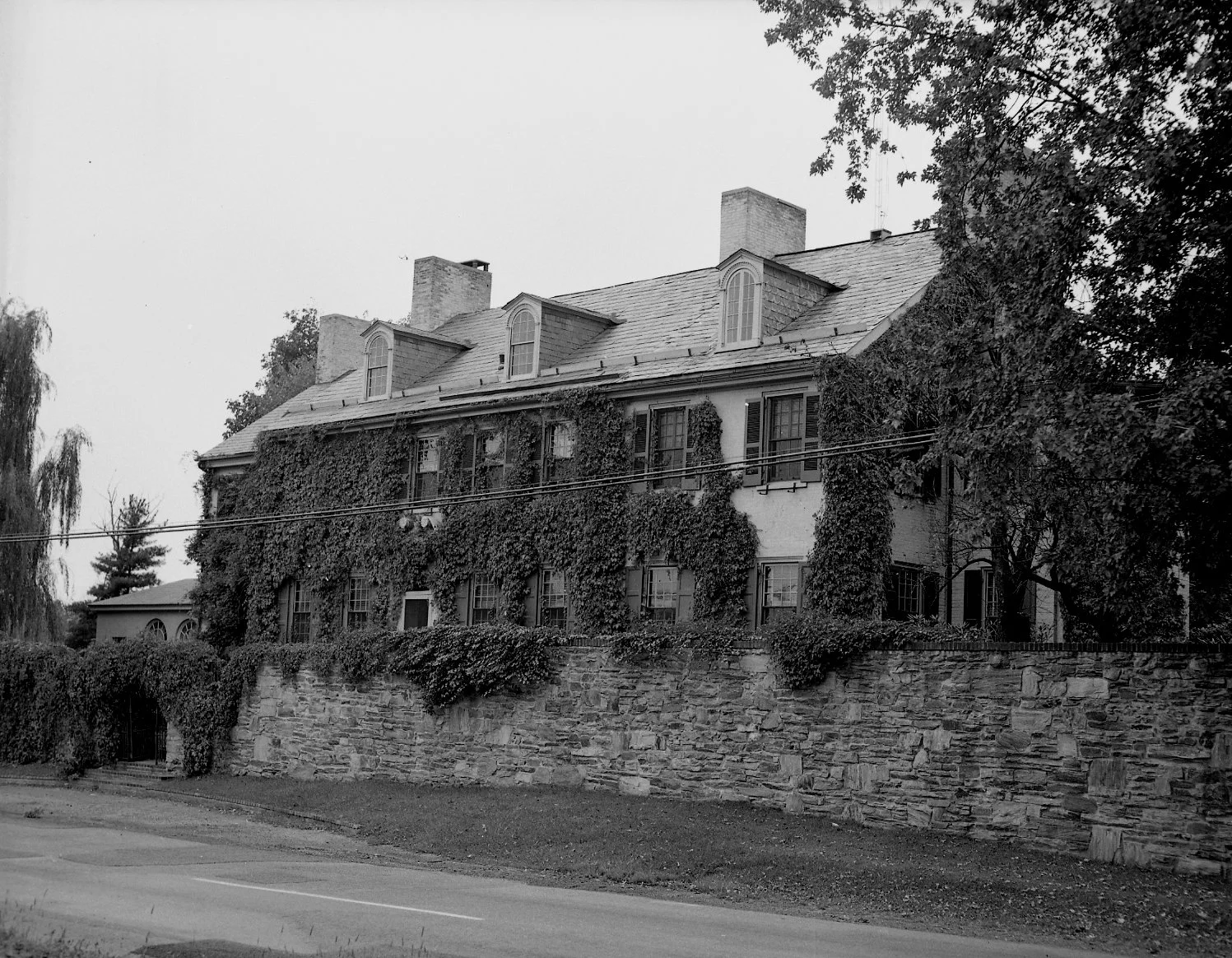
The estate was first owned by Christian Hershey, the earliest member of the Hershey family to settle in America. In 1927, the property was purchased and thoughtfully remodeled by James Hale Steinman and Louise McClure (Tinsley) Steinman, transforming it into the three-story Colonial Revival mansion that stands today. Designed by architect Frank J. Everts, the home retains the elegance, craftsmanship, and grandeur of the early 20th century.
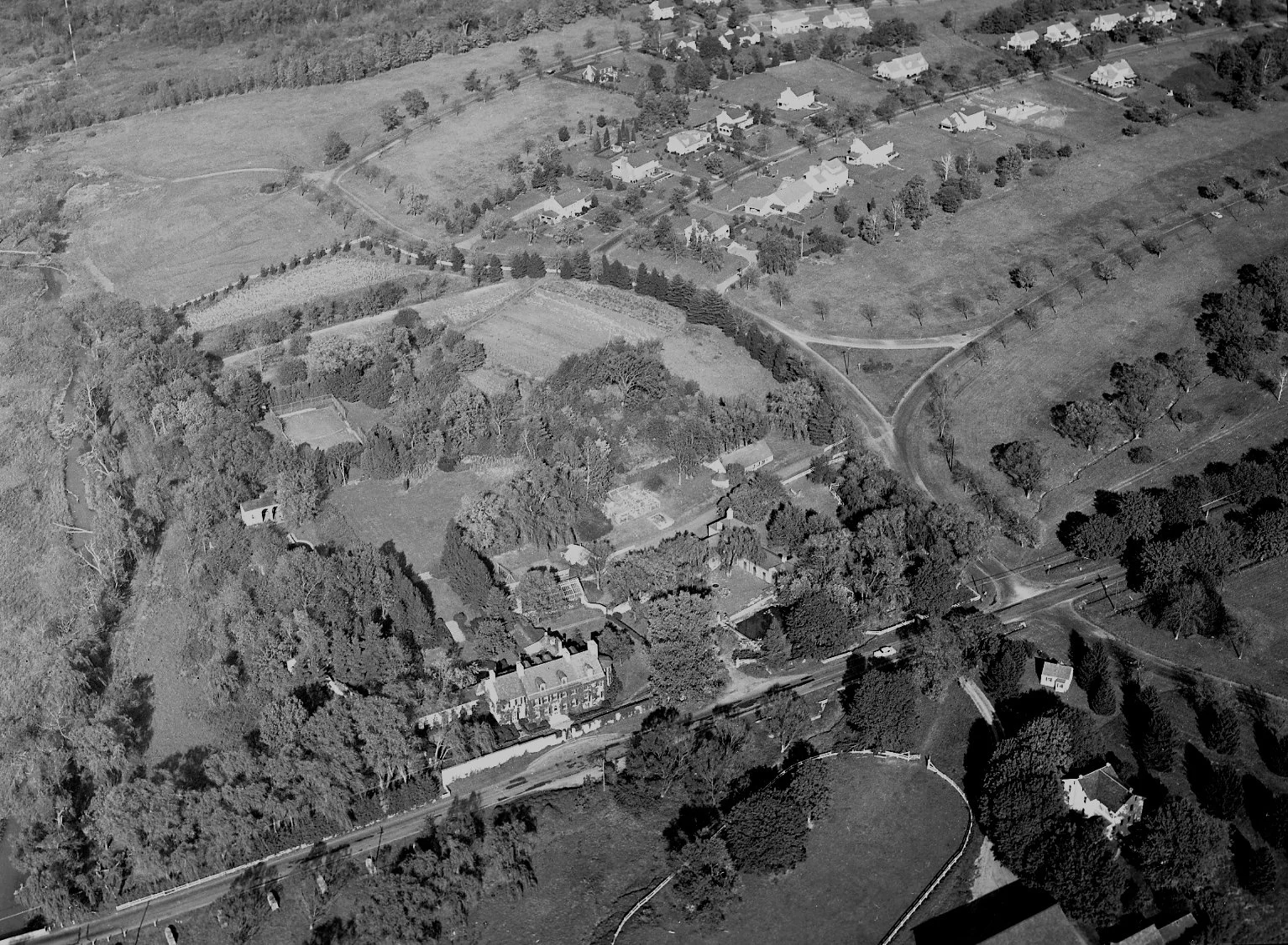
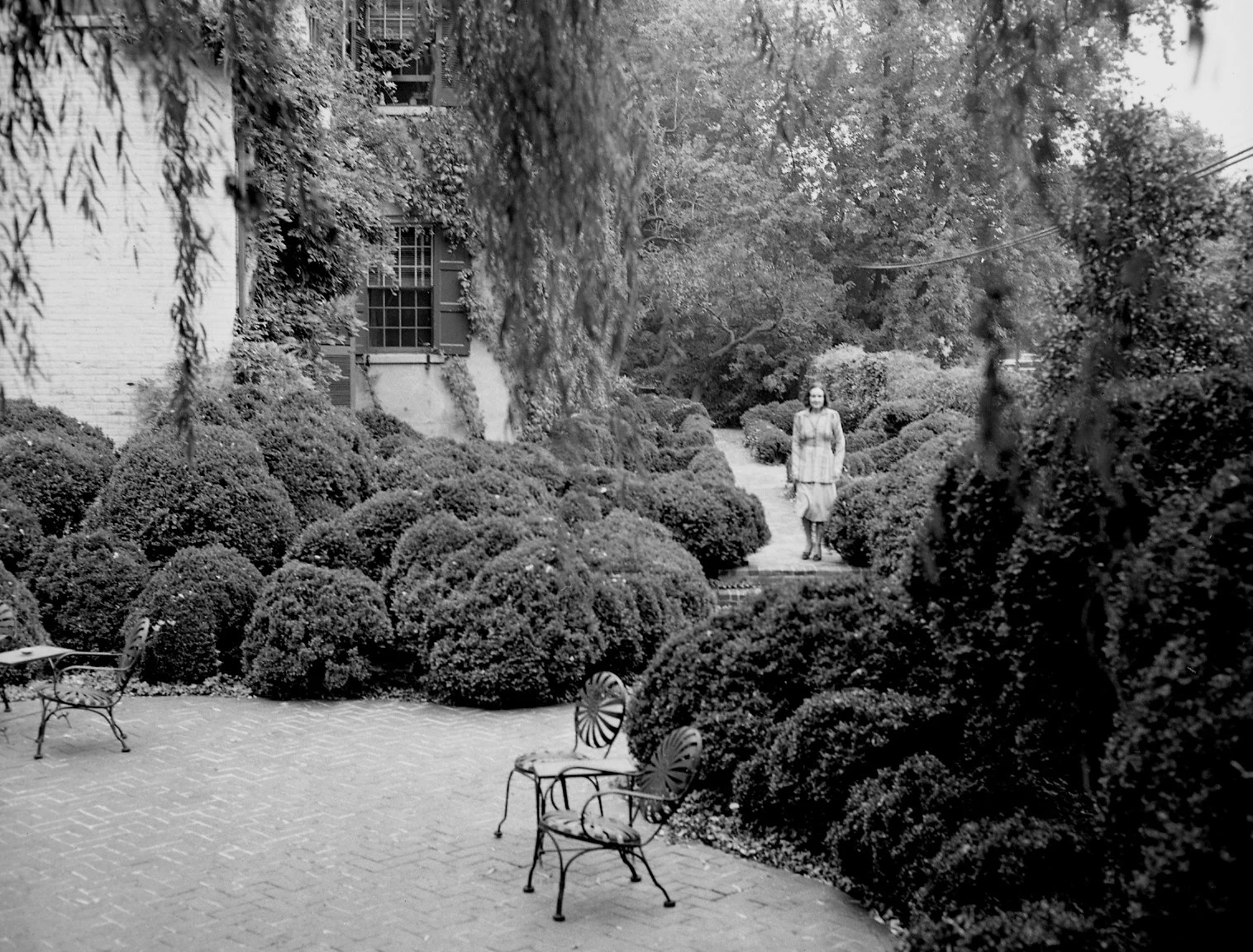
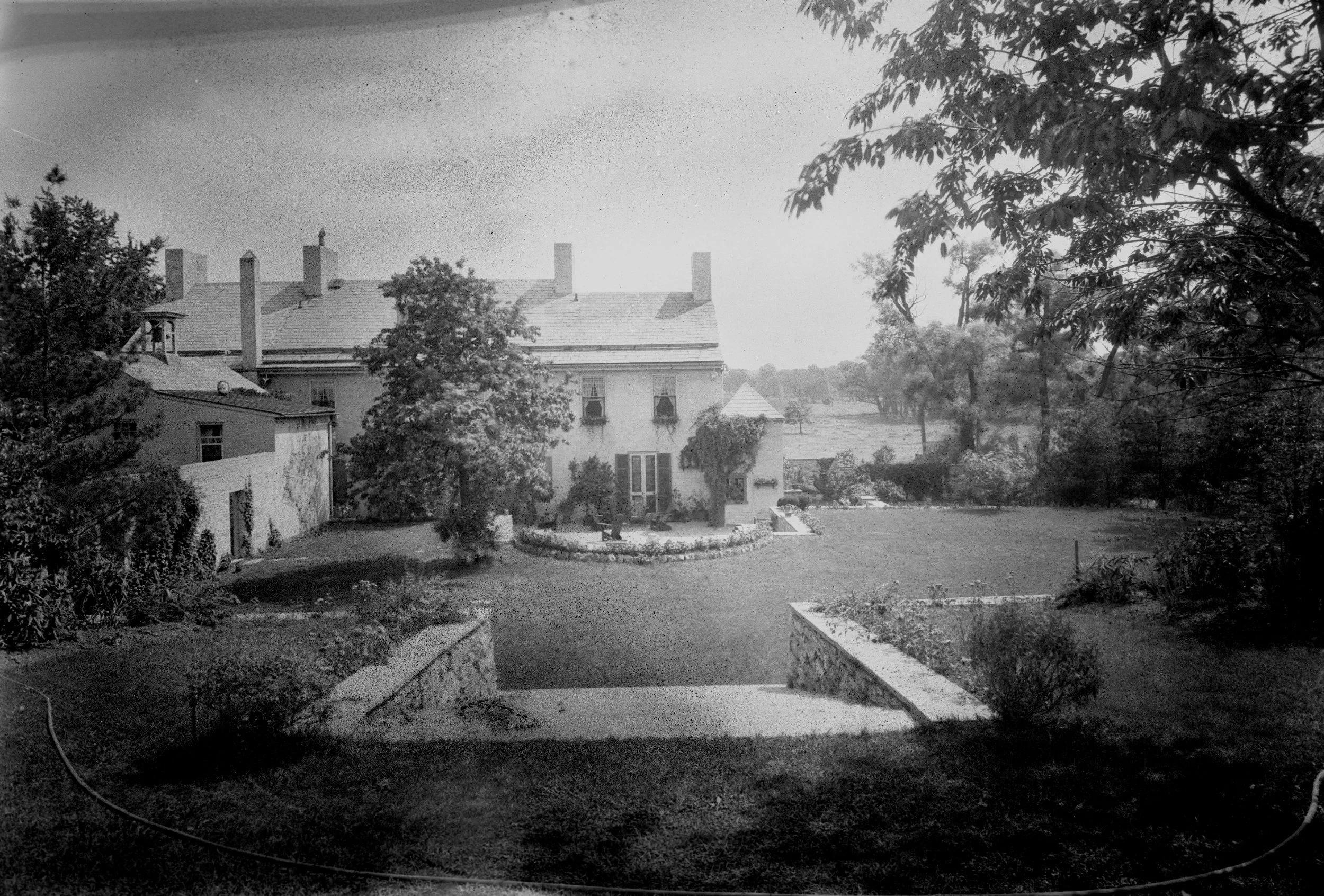
Today, the 12-bedroom, nearly 10,000-square-foot estate remains a beloved landmark—not only for those who visit, but for the Lancaster community as a whole. Set on 7.8 acres of meticulously maintained gardens, the grounds feature thousands of seasonal plantings, including annuals, tropical plants, perennials, and rose gardens, creating a timeless backdrop for visitors, events, and photoshoots alike.
-
![]()
An Early Aerial of the Property
-
![]()
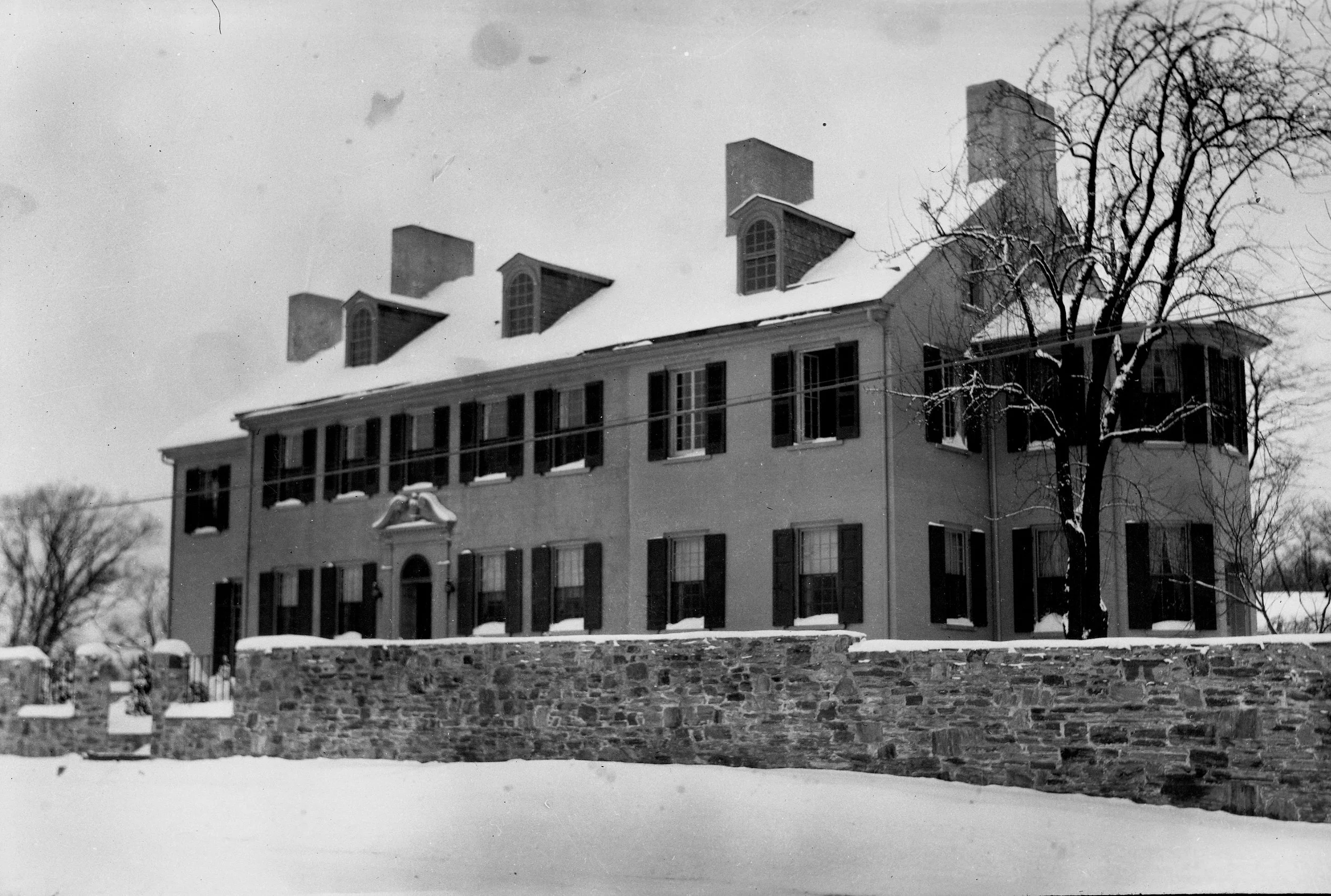
An Early Winter at the Conestoga House
-
![]()
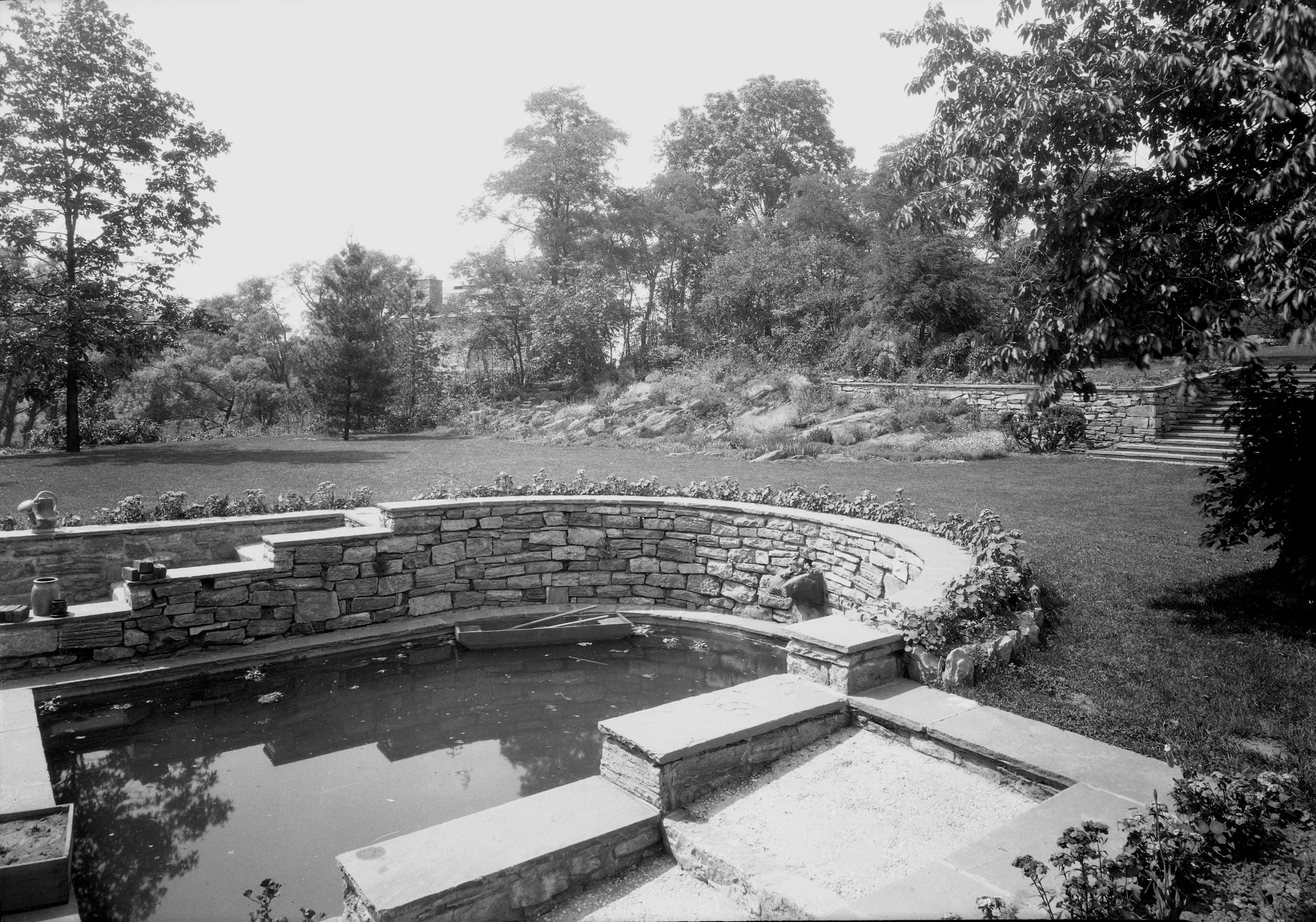
Wading Pool Off the Rear Terrace
-
![]()
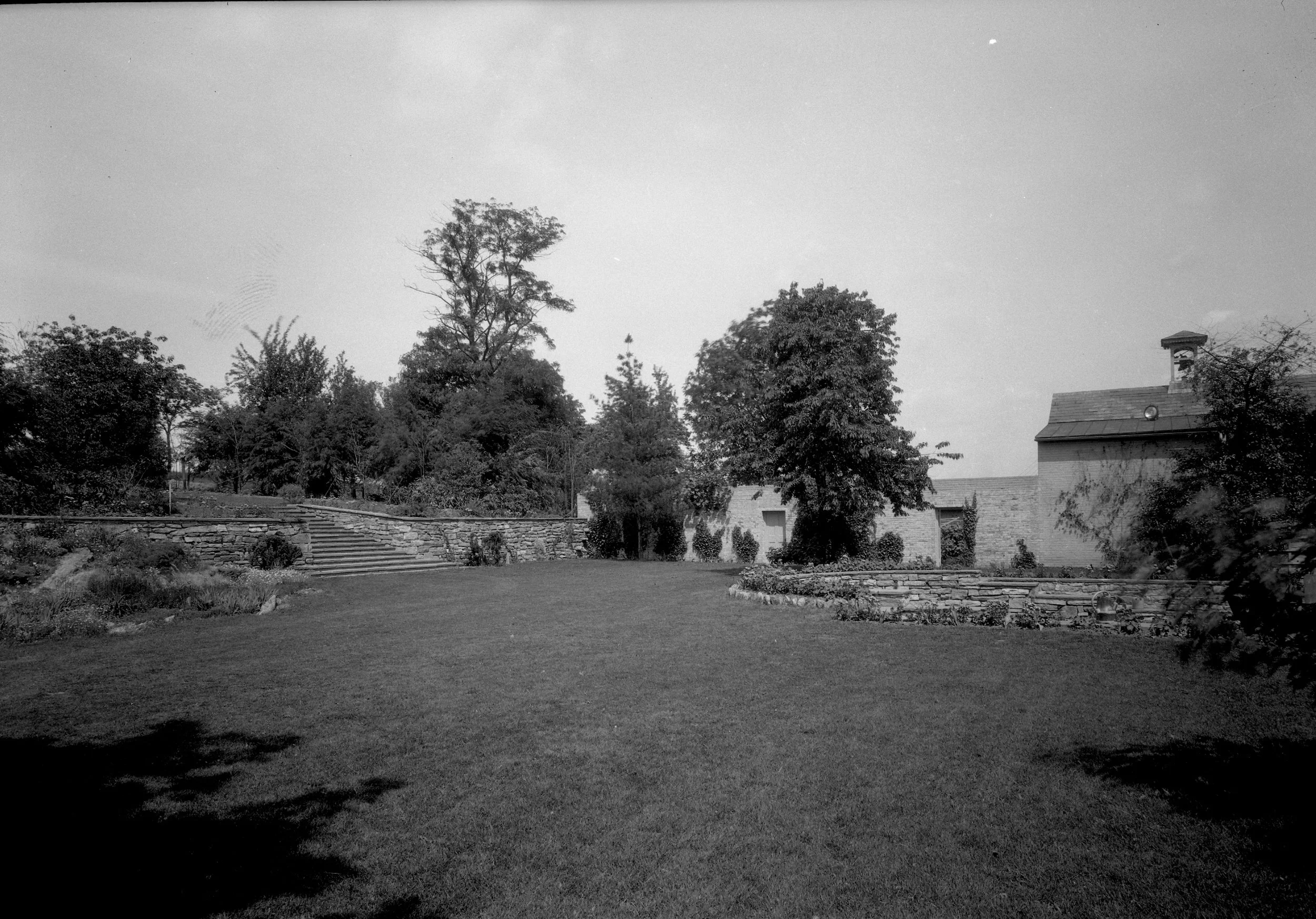
An Early Look at the Backyard
-
![]()
Wading Pool Off the Rear Terrace
-
![]()
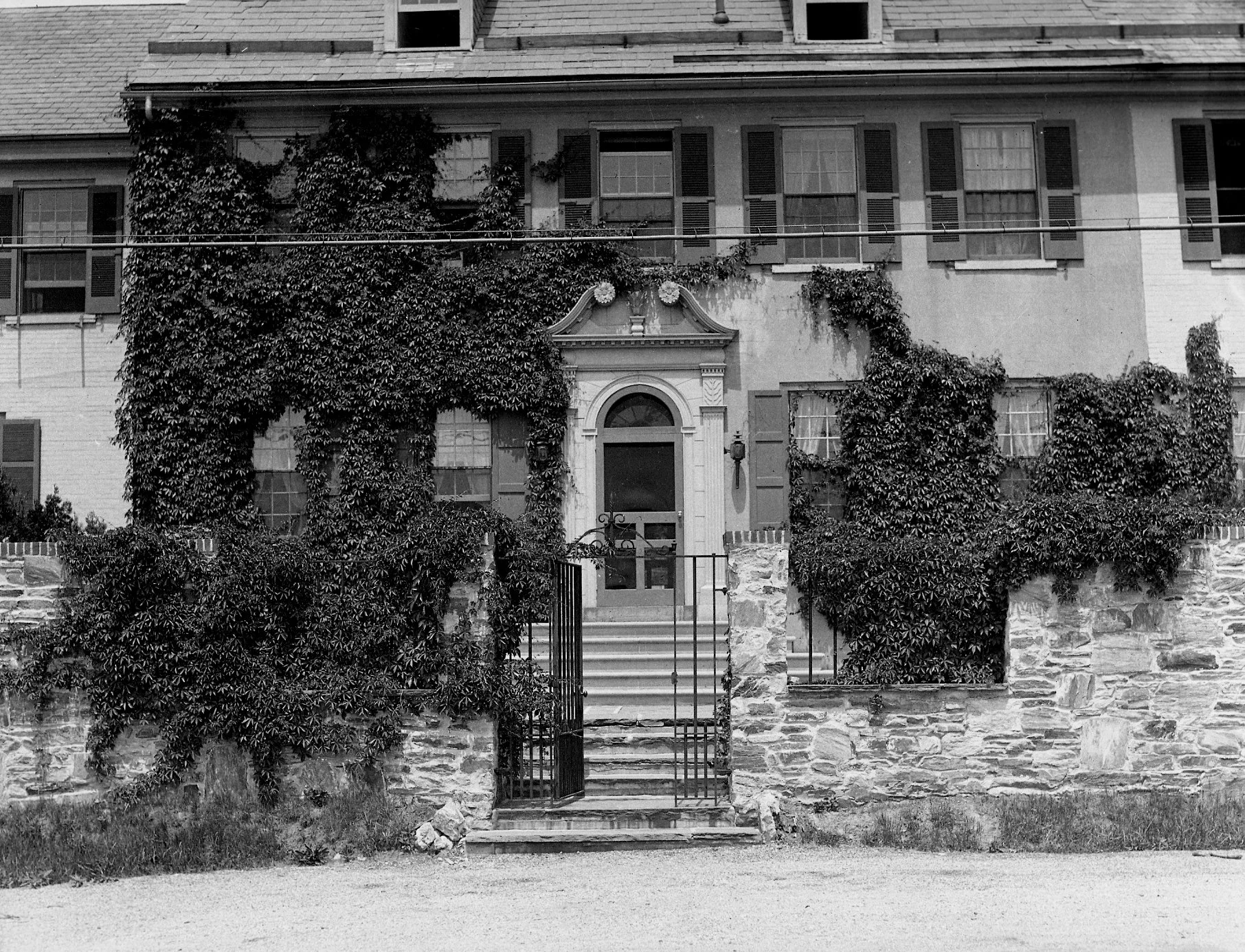
Conestoga House from Marietta Avenue, June 1931
-
![]()
Conestoga House from Marietta Avenue, June 1931
-
![]()
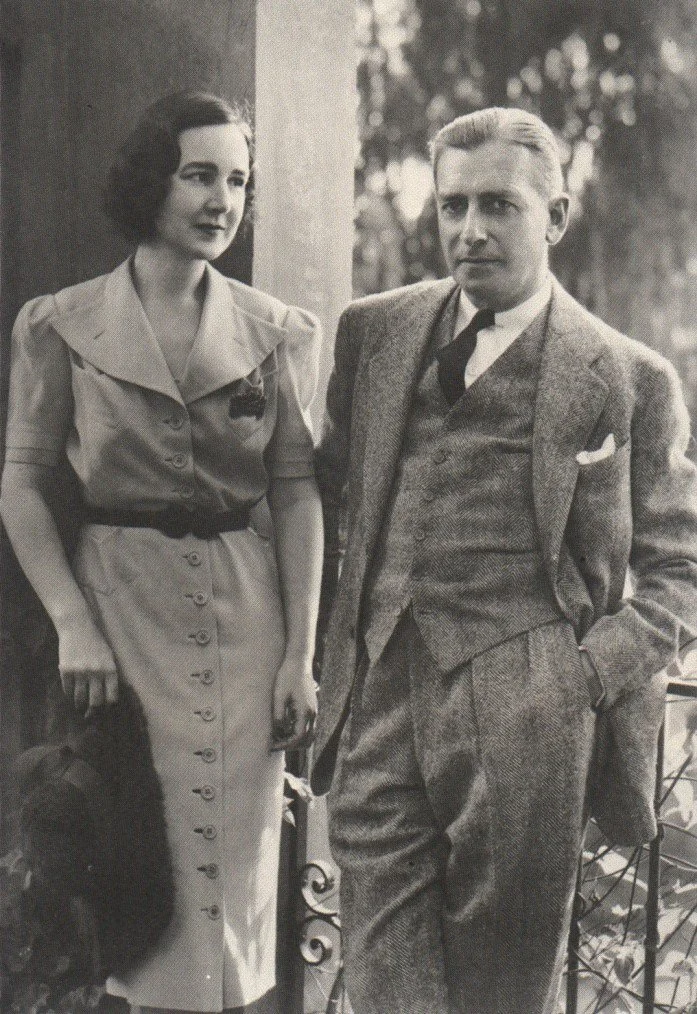
James Hale and Louise McClure (Tinsley) Steinman, Late 1930’s
-
![]()
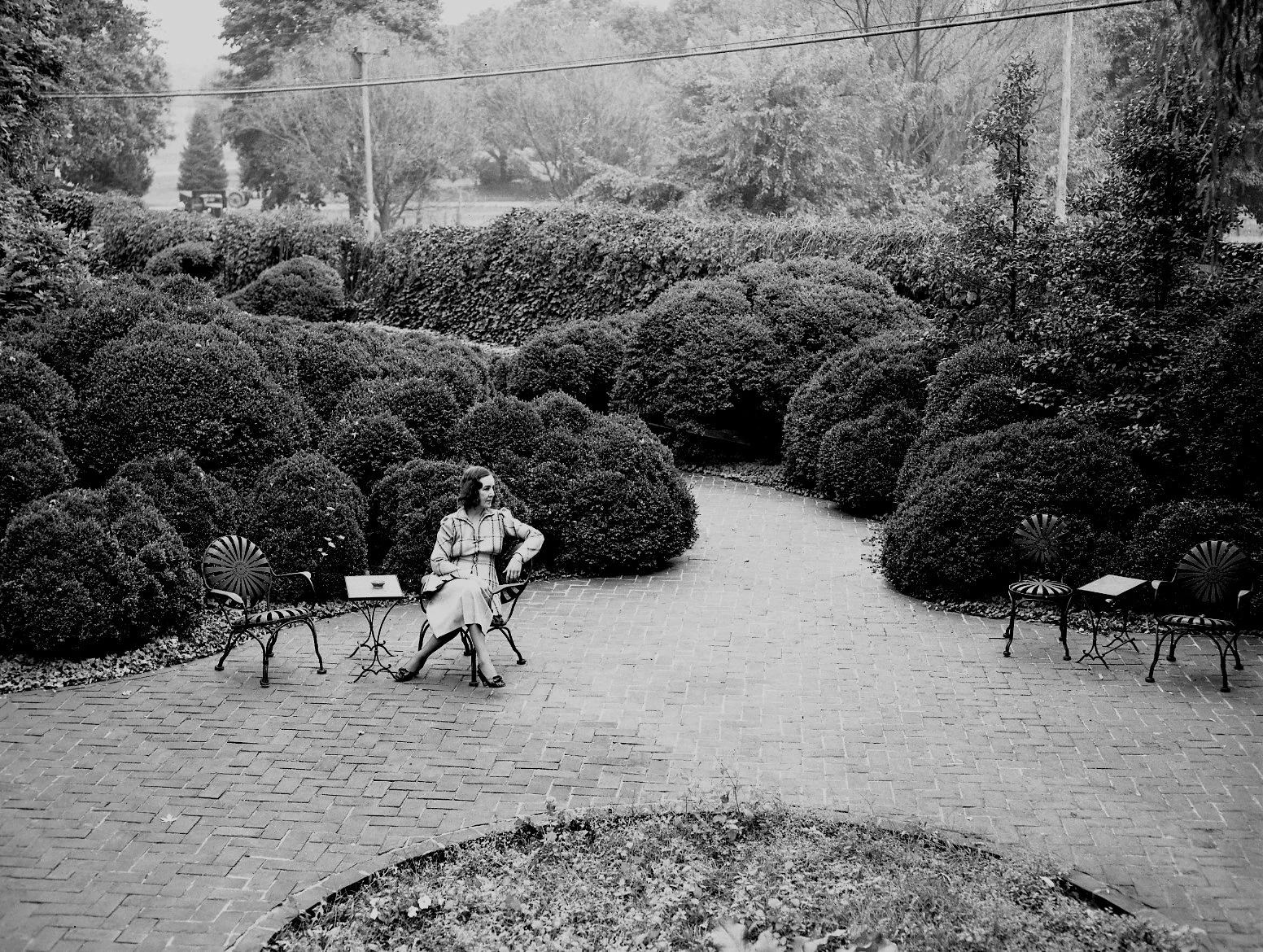
Louise Steinman in the Boxwood Garden, October 1948
-
![]()
Louise Steinman in the Drawing Room, October 1948
-
![]()
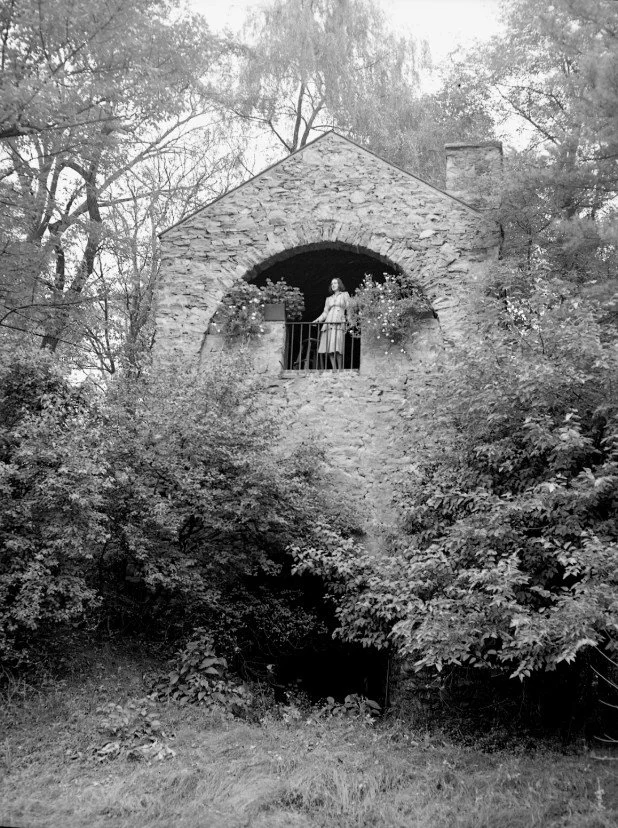
Louise Steinman above the Lime Kiln, October 1948
-
![]()
Louise Steinman on the Back Terrace, October 1948
-
![]()
Louise Steinman in the Boxwood Garden, October 1948
-
![]()
Conestoga House Facade, October 1949
-
![]()
6 Year Old Louise Tinsley Nunan and Mother, Caroline Nunan in The Orangery, October 1959
-
![]()
An Early View of the Backyard




The Historic Lime Kiln
Tucked within the grounds of Conestoga House & Gardens is the historic Lime Kiln, a structure dating back to the 1700s that once played an important role in local agriculture and trade. Limestone was fired here and used to enrich nearby farmland, helping sweeten crops throughout the region.
Today, the Lime Kiln stands as a quiet reminder of Lancaster’s early industry and history—offering a serene, picturesque setting where guests can gather, explore, and connect with the past.
Interested in learning more?
Visit our blog for a more detailed look at the history of the Conestoga House & Gardens.