

Preparing for Spring
I think everyone looks forward to Spring, as it arrives after a dark, cold Winter that usually seems much longer than the other seasons. We all look for that bright flash of vibrant color and longer days of sunshine and warmth. We finally get out into some fresh air and use muscles we haven’t used since last Spring.
Before we get in gear, there are a few things we should do in preparation. We should first try to remember what we did last year and consider whether we want to do something different or repeat what we did before. We also need to do what I call “Winter cleanup” and “Spring encouragement”. There are leaves and other debris which appear in the areas around our garden spaces. If you have a yard or large area, this will take some time and effort to clean up.
After cleanup, you should begin by looking at the established plants that are in your beds and see if pruning is required. Now, if you have Azaleas or Hydrangeas and other shrubs that bloom on last year’s growth, you should not prune those back. Instead, they need to be pruned after they are done blooming and disbudded.
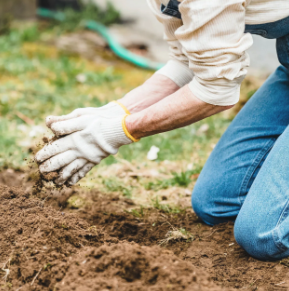
In the open areas where you plant bedding plants, you should break up the ground a little. If you have a mini tiller, use that to rototill the soil. If you don’t, there are tools you can purchase that can help with this. The idea is to make it easier to plant and to allow the rain to penetrate the soil instead of running off.
You should also fertilize all of the established areas with a granular or slow-release product. There is a mentality that plants do not need anything except soil, water, and sun, but even the best of topsoil is not rich in all nutrients. Usually after years of growing bedding plants, the soil becomes depleted of vital nutrients and minerals. Established plants do the same thing.
Next, mulching should be done. You can wait until after planting if you’d like, but weed seeds are either in that soil or are blown in by the wind from outside fields. They can get established quickly. Either way is okay, but I prefer mulching and then planting instead of planting then mulching, as I have damaged far too many bedding plants trying to put mulch between them. Pulling back a little bit of mulch is not difficult, plus the work is done early and planting can happen at an easier pace.
Now, even if you don’t have a yard or large space, you still have some work to do. If you have a porch, deck or a balcony to an apartment, you might have to get rid of algae or black mold. There might also be some painting or re-staining, pressure washing, or other type of clean-up to be done. This is the time to do it. It will benefit your plants that go into pots and containers that you will be using to beautify your leisure areas. Get those pots clean if you did not do so before putting them away. Sterilizing is necessary to keep plants healthy for the season. As you get closer to planting, put the soil in those containers and wet them with a starter fertilizer solution. This will encourage root development and fast growth. If you choose a soilless mix that has starter fertilizer in it, skip the above step.
If you have house plants, think about giving them an outdoor experience this year. Most house plants are low light growing types and you must provide that kind of exposure to help them stay healthy. It is most important to know that all plants, both house plants and ones bought at a nursery, need to acclimate to full light spectrum. If the plants are displayed in the open and are getting sun when you purchase them, you can skip this next step. If they are growing under a poly roof material, like a greenhouse, they are not being exposed to the full light spectrum and can get sunburned when you plant them. Keep them in shaded areas or inside and place them outside on cloudy days. It should only take 2 or 3 days to accomplish this. Even with this step, you still might see a couple of leaves become damaged. Don’t panic and be patient and remember to only water when necessary, like when first planted and then a week after.
This is what I wanted to share with you this session and I hope that you find it helpful as you begin to prepare for Spring. If you have any related questions that I can comment about, please submit them to conestoga@ecklindevelopment.com.
Until next time,
Larry